
The EuroLeague continues to evolve in response to financial pressures, competitive balance concerns, and changing expectations from audiences. By 2026, several regulatory and structural adjustments are no longer theoretical discussions but practical realities affecting clubs, players, and supporters. These changes are not cosmetic — they reshape scheduling, squad management, revenue distribution, and even the viewing experience. Understanding them is essential for anyone following European basketball at a serious level.
Structural Changes in Competition Format and Calendar
One of the most noticeable shifts in 2026 is the refinement of the competition calendar. The EuroLeague has extended its regular season scheduling window to reduce fixture congestion, particularly for clubs competing simultaneously in domestic leagues. This adjustment aims to lower injury rates and improve overall game quality, which had been a growing concern over the previous seasons.
Another important development is the stabilisation of the league’s participation model. While long-term licences remain in place for key clubs, there is now a clearer pathway for high-performing teams from domestic competitions to qualify. This hybrid system attempts to balance commercial stability with sporting merit, addressing criticism that the league had become too closed.
In addition, the playoff format has been slightly adjusted to increase competitiveness. Series lengths and seeding advantages have been fine-tuned to reduce predictability, making late-season performance more meaningful. For teams, this means that squad depth and rotation strategies are now more critical than ever.
Impact of Calendar Reforms on Player Performance
The revised calendar directly affects how coaches manage player workloads. With slightly more spacing between fixtures, teams can implement more structured recovery cycles. This is particularly important for veteran players and those involved in international competitions, where fatigue previously accumulated quickly.
Sports science departments now play a larger role in decision-making. Load monitoring, minute restrictions, and rotation planning have become central to maintaining consistency across the season. Clubs that invest in these areas are already showing measurable advantages in late-stage competitions.
From a tactical perspective, improved player freshness translates into higher-intensity games. Defensive systems are more aggressive, and transition play has become faster. For spectators, this results in a more dynamic and technically refined product on the court.
Financial Regulations and Club Sustainability
Financial oversight has tightened significantly by 2026. The EuroLeague has introduced more transparent financial reporting requirements, aiming to prevent excessive spending and reduce long-term debt accumulation among clubs. This shift reflects broader trends in European sport, where sustainability is becoming a priority.
A soft salary control mechanism has also been introduced. While not a strict cap, it places limits on disproportionate payroll spending relative to revenue. This encourages clubs to invest more strategically in player development rather than relying solely on high-profile transfers.
Revenue distribution has been partially rebalanced. Although top clubs still receive a larger share due to commercial value, smaller teams now benefit from improved baseline payments. This change is designed to maintain competitiveness across the league and avoid widening financial gaps.
How Financial Rules Influence Squad Building
Teams are now more cautious in constructing their rosters. Instead of short-term signings with high salaries, there is a stronger emphasis on multi-year planning. Clubs are increasingly focusing on players who fit long-term systems rather than immediate impact alone.
Younger players are receiving more opportunities as a result. Developing talent internally is becoming both a sporting and financial strategy, especially for mid-tier clubs. This trend is gradually altering the age profile of many EuroLeague squads.
For fans, this creates a different type of engagement. Rather than frequent roster overhauls, supporters can follow the progression of players over several seasons, which strengthens club identity and continuity.
Digital Experience and Fan Engagement Trends
The way fans interact with the EuroLeague has changed notably by 2026. Broadcasting has shifted towards more flexible viewing options, including personalised camera angles, real-time statistics overlays, and interactive features integrated into live streams. This reflects broader expectations shaped by digital entertainment habits.
Clubs are also investing more in direct communication channels. Mobile apps, membership programmes, and exclusive content are now central to fan engagement strategies. These tools provide deeper access to behind-the-scenes material, training sessions, and player insights.
In arenas, the matchday experience has been enhanced through technology. Faster entry systems, in-seat services, and augmented reality features are being tested in several venues. These improvements aim to make attending games more convenient and immersive.
The Changing Role of Fans in EuroLeague Ecosystem
Supporters are no longer passive viewers. Through digital platforms, they influence discussions, content trends, and even certain promotional decisions. Fan feedback is increasingly analysed by clubs and the league when shaping future initiatives.
International audiences have grown in importance. With improved accessibility to broadcasts, the EuroLeague is attracting viewers beyond its traditional European base. This has implications for scheduling, marketing, and language localisation.
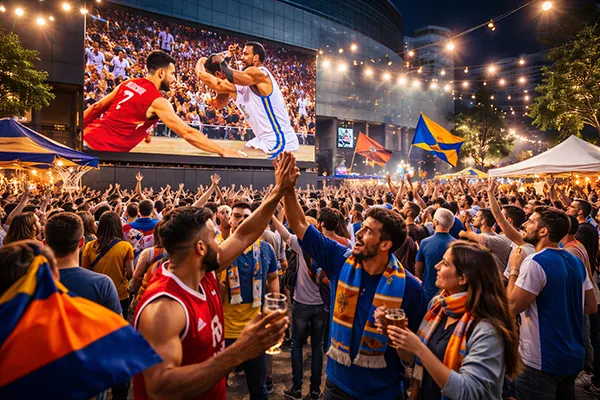
At the same time, maintaining the traditional atmosphere of European basketball remains a priority. Clubs are balancing modernisation with preserving the intensity and identity of home crowds, which continue to be a defining feature of the competition.